
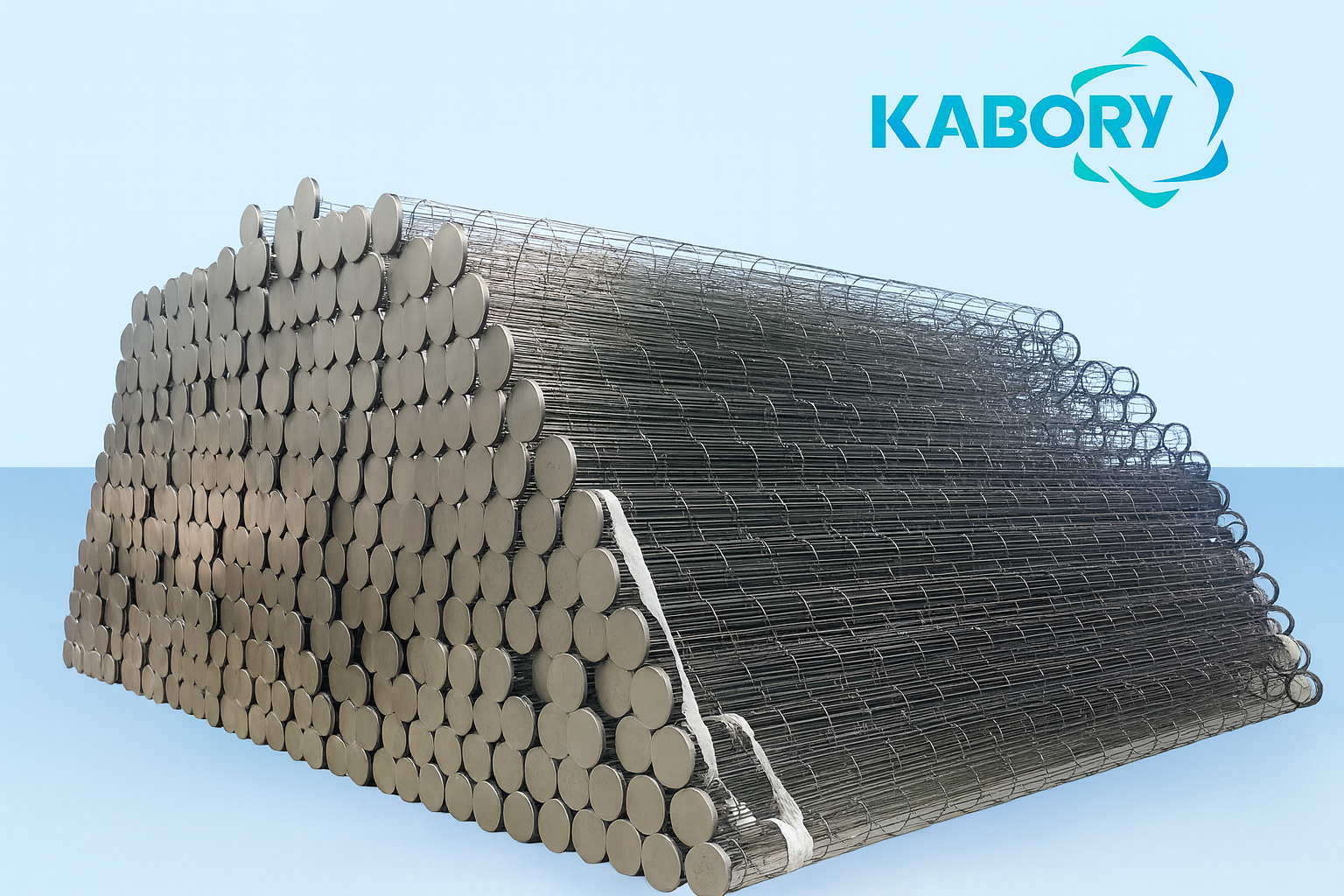
Stainless Steel Wire for Filter Bag Cage Manufacturing
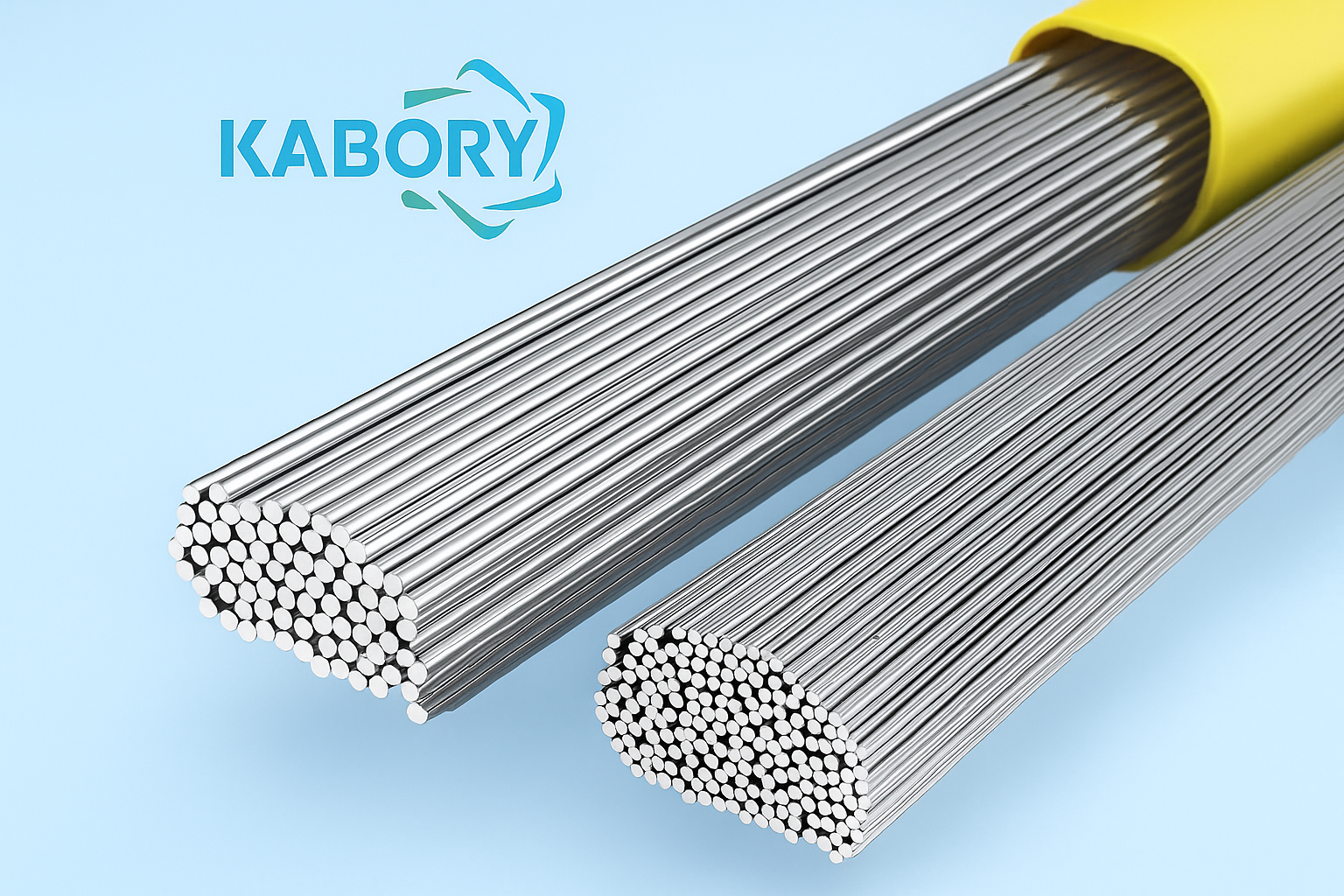
Stainless steel wire engineered for filter bag cage manufacturing.
Available in 304, 316, and 316L grades, our wire offers excellent weldability, tight diameter tolerance, and stable mechanical strength. Designed for automated cage welding lines, it ensures strong weld joints, corrosion resistance, and long-term reliability in demanding dust collection environments.
Description
Product Overview
We supply high-quality stainless steel wire specifically engineered for filter bag cage manufacturing and automated cage welding lines.
Available in 304, 316, and 316L grades, our stainless steel wires are produced with tight dimensional tolerance, stable mechanical strength, and excellent weldability. They ensure reliable long-term performance of dust collector filter cages operating under high temperature, corrosive atmospheres, and continuous pulse-jet cleaning conditions.
Our wire materials are widely used in cement plants, steel mills, power stations, waste incineration facilities, FGD systems, and chemical processing industries worldwide.
Material Options & Technical Specifications
Stainless Steel Wire for Filter Bag Cages
Stainless Steel Grade Comparison
| Item | Stainless Steel 304 | Stainless Steel 316 | Stainless Steel 316L |
|---|---|---|---|
| Standard | AISI 304 / EN 1.4301 | AISI 316 / EN 1.4401 | AISI 316L |
| Chemical Composition | Cr 18.0–20.0%Ni 8.0–10.5% | Cr 16.0–18.0%Ni 10.0–14.0%Mo 2.0–3.0% | Low-carbon version of 316 |
| Diameter Range | 3.0 – 4.0 mm | 3.0 – 4.0 mm | 3.0 – 4.0 mm |
| Tensile Strength | ≥750 MPa | ≥750 MPa | ≥750 MPa |
| Heat Treatment | Annealed & re-annealed | Annealed & stress-relieved | Annealed & low-carbon stabilized |
| Recommended Applications | Humid environmentsMildly acidic dustHigh-temperature filtration | FGD systemsMarine & coastal plantsChemical industries | Waste incinerationChemical reactorsPharmaceutical dust collection |
| Key Advantages | Excellent weldability and formabilityGood corrosion resistanceStable behavior in high-speed welding | Superior resistance to pitting and chloride corrosionImproved heat and chemical resistance | Enhanced weldability after weldingImproved ductility and stress resistanceLonger service life under thermal cycling |
| Typical Use Case | Standard industrial filter bag cages | Aggressive or corrosive environments | Critical welded cages with long service life requirements |
Optional Material: Galvanized Steel Wire for Filter Cage Manufacturing
Galvanized Steel Wire – Technical Specifications
| Item | Galvanized Steel Wire |
|---|---|
| Material Type | Carbon Steel with Zinc Coating |
| Diameter Range | 3.0 – 4.0 mm |
| Zinc Coating | ≥30 g/m² |
| Tensile Strength | ≥750 MPa |
| Surface Finish | Smooth, uniformly galvanized |
| Typical Applications | Cement plantsSteel millsPower generation facilitiesStandard industrial dust collection systems |
| Key Advantages | Uniform zinc coating for consistent corrosion protectionHigh tensile strength ensures rigid and stable cage structureSmooth surface optimized for automatic cage welding machines |
| Typical Use Case | Cost-effective solution for standard filter bag cages under non-aggressive conditions |
Galvanized steel wire is recommended for standard operating environments where corrosion exposure is limited and cost efficiency is a priority.
Weld-Ready Stainless Steel Wire for Filter Bag Cage Manufacturing
In filter bag cage manufacturing, wire quality directly determines weld strength and operational safety.
Poor or inconsistent wire materials often result in:
⚠️ Cold welds or incomplete fusion
⚠️ Wire detachment after welding
⚠️ Cracks, porosity, or brittle weld joints
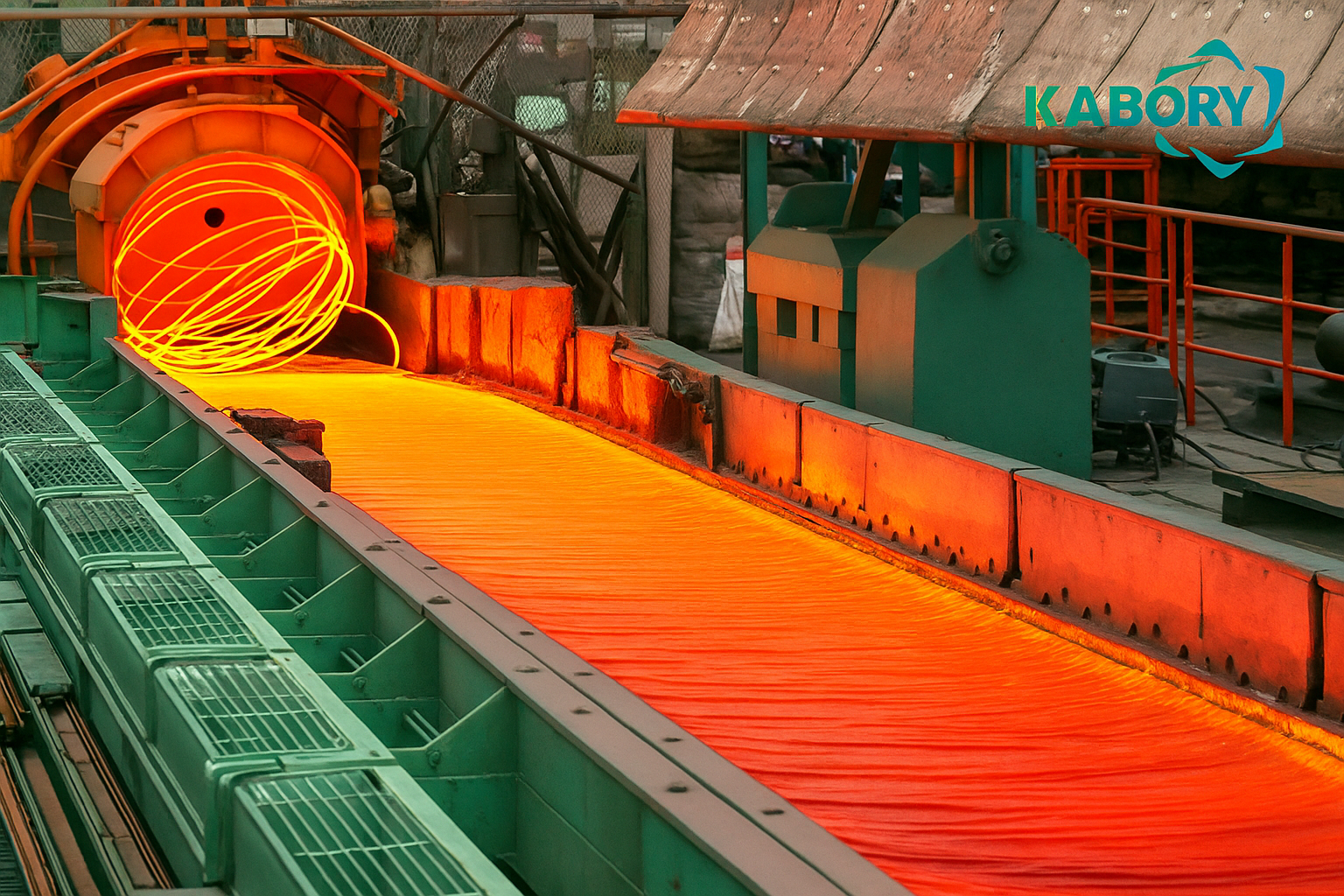
Our stainless steel wires are precision-drawn, surface-treated, and stress-relieved, ensuring:
✅ Clean and consistent weld nuggets
✅ No deformation or embrittlement during welding
✅ Long-term structural integrity of filter cages
This stability is critical for automated cage welding lines, where even small deviations can cause equipment faults or high rejection rates.
Automation Compatibility & Production Stability
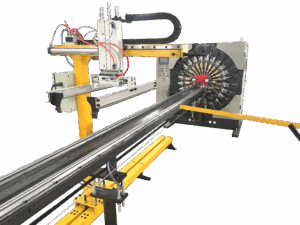
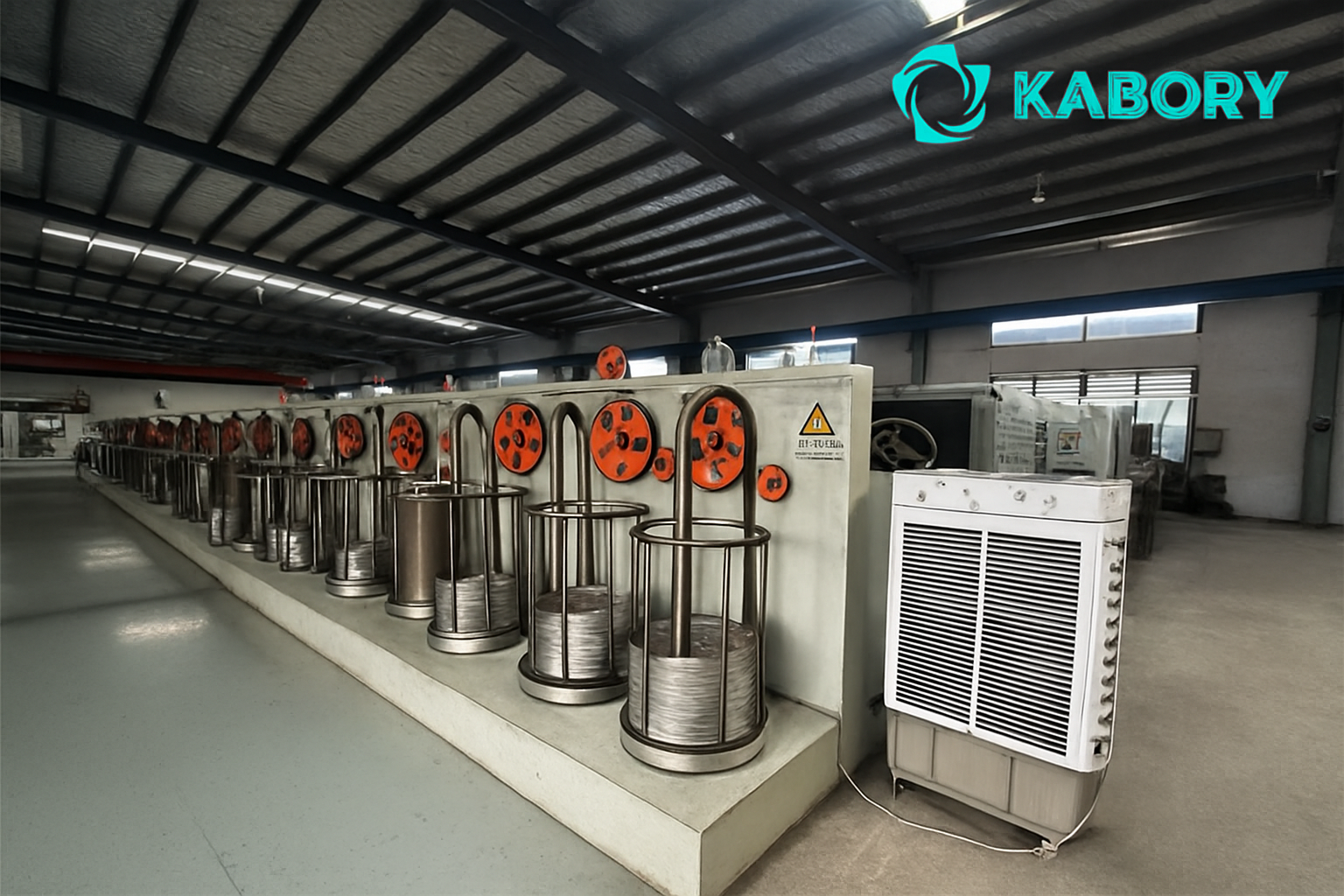
All wire grades are optimized for high-speed, continuous filter cage welding systems, featuring:
-
Tight diameter tolerance
-
Excellent surface smoothness
-
Low residual stress through advanced annealing
Production Results
✔ Smooth wire feeding through straightening units
✔ Stable resistance / spot welding performance
✔ Higher productivity with minimal downtime
Quality Assurance & Traceability
-
ISO 9001 & IATF 16949:2016 certified manufacturing
-
Mill Test Certificate (MTC) supplied with every batch
-
Full inspection of chemical composition, mechanical properties, and dimensions
Customization & Technical Support
-
Custom diameters, tensile strength ranges, and coil formats available
-
Technical consultation for material selection and welding optimization
-
Sampling support and production validation assistance
Packaging & Delivery for Stainless Steel Wire
-
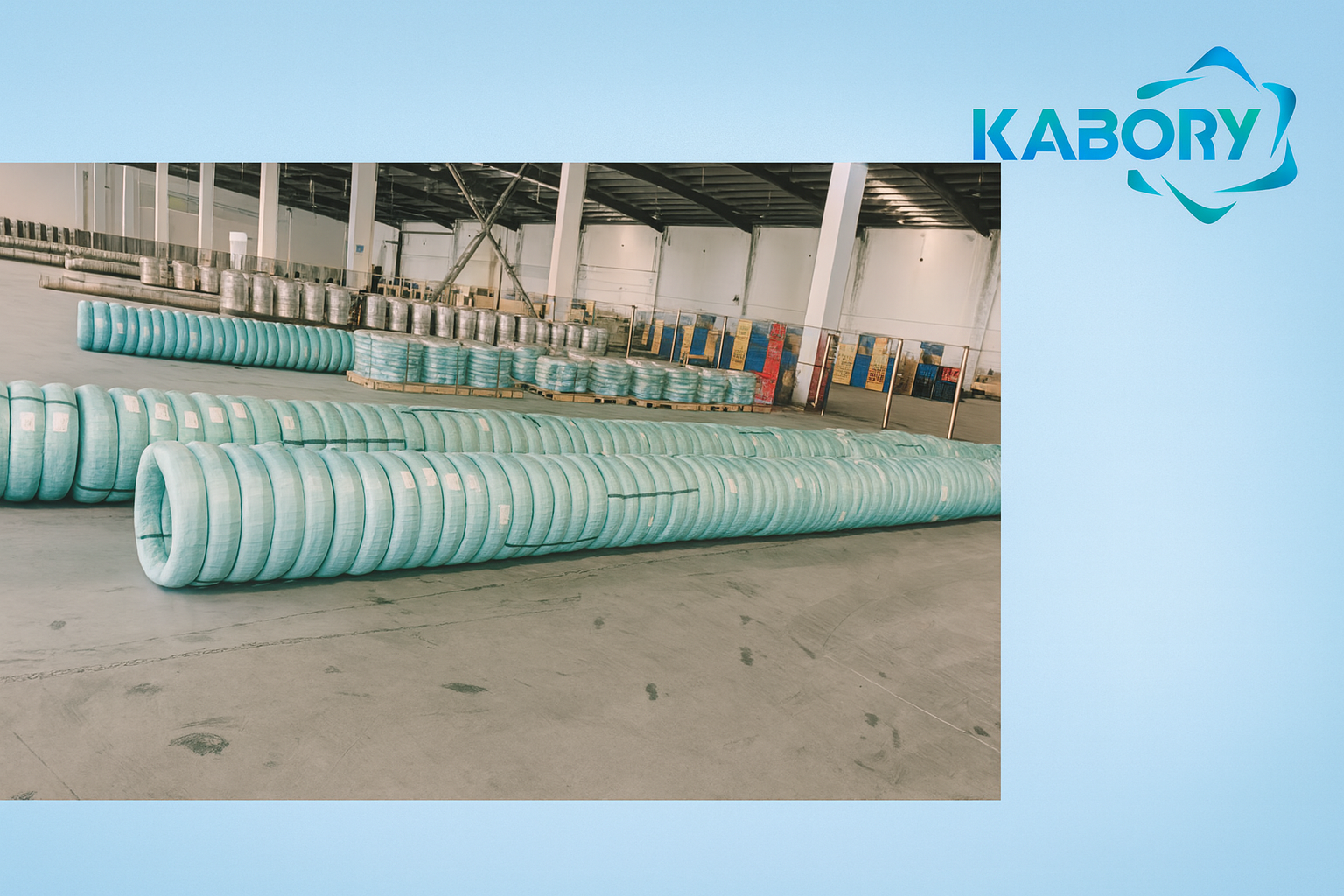
Coil, spool, or palletized packaging to fit your workflow
-
Fast logistics for both LCL and full container shipments
-
Barcoded tagging and full shipment traceability available
Contact Us
Request samples, datasheets, or a customized quotation today.
Our technical team is ready to support your filter bag cage production with weld-ready stainless steel wire materials.
👉 Talk to Our Technical Sales Team
✅ FAQ – Stainless Steel Wire for Filter Bag Cage Manufacturing
Q1: What is stainless steel wire used for in filter bag cage manufacturing?
A: Stainless steel wire is used to manufacture filter bag cages that support filter bags inside dust collectors. It provides structural strength, corrosion resistance, and reliable weld performance, especially in high-temperature and corrosive operating conditions.
Q2: Which stainless steel grades are suitable for filter bag cage welding?
A: The most commonly used grades are 304, 316, and 316L stainless steel wire.
-
304 is suitable for standard industrial environments
-
316 offers enhanced resistance to chloride and chemical corrosion
-
316L is preferred for welded cages requiring improved corrosion resistance after welding
Q3: Why is weldability important for stainless steel wire in cage manufacturing?
A: Filter bag cages are typically produced on automated cage welding lines. Consistent weldability ensures strong weld joints, prevents wire detachment, and reduces rejection rates during high-speed resistance or spot welding.
Q4: What wire diameter is commonly used for filter bag cages?
A: Stainless steel wire with a diameter of 3.0–4.0 mm is most commonly used for filter bag cage manufacturing, providing a balance between structural rigidity and welding stability.
Q5: Is stainless steel wire compatible with automated cage welding machines?
A: Yes. High-quality stainless steel wire manufactured with tight diameter tolerance, smooth surface finish, and low residual stress is fully compatible with automated cage welding systems and supports stable, continuous production.
Q6: How does 316L stainless steel wire improve cage durability after welding?
A: 316L stainless steel has a lower carbon content, which reduces the risk of intergranular corrosion after welding. This makes it ideal for applications such as waste incineration, chemical processing, and high-temperature dust collection systems.
Q7: Can stainless steel wire be customized for specific cage welding requirements?
A: Yes. Wire diameter, tensile strength range, coil format, and packaging can be customized to match specific cage welding machines and production processes.